A kitchen remodel is one of the biggest investments you can make in your home. It affects how you cook, gather, and live every day. The contractor you choose will shape not only the final result, but also how smooth or stressful the entire process feels.
Too many homeowners rush into a remodel without fully understanding who they are hiring. That is when problems start. Missed timelines. Unexpected costs. Poor communication. Frustration that could have been avoided with the right questions upfront.
That is exactly why this guide exists. If you are wondering what to ask your contractor before a kitchen remodel, this article will walk you through the most important questions to ask before you sign a contract. These questions are designed to help you spot red flags early, set clear expectations, and choose a remodel partner you can trust.
A little preparation now can save you months of stress later.

Top 10 Questions to Ask Your Kitchen Remodel Contractor
If you’re planning a kitchen renovation, knowing what questions to ask a contractor before remodeling can help you avoid surprises and choose the right team for the job. Below are 10 essential questions to ask, along with why they matter and what a confident, qualified contractor should be able to tell you.
How many kitchen remodels have you completed in the last year?
Why it matters: Experience with kitchens specifically shows they understand the complexity of plumbing, electrical, cabinetry, and layout coordination.
What to listen for: A contractor should be able to speak clearly about past projects, how often they do kitchens, and the size/scope of each.
Can I see examples of similar projects you’ve done?
Why it matters: Photos of real projects (especially kitchens that look like yours) help you judge their craftsmanship and design style.
What to listen for: Look for a portfolio, reviews, or walk-throughs of recent remodels. Bonus points if they show work in your area.
What’s your estimated timeline, and what could delay it?
Why it matters: Remodel timelines can range from a few weeks to several months. Understanding the expected schedule helps you plan ahead and avoid frustration.
What to listen for: Honest answers that include possible delays like permitting, material backorders, or change orders.
Do you use subcontractors or in-house teams?
Why it matters: Knowing who will actually do the work affects quality control and communication.
What to listen for: A clear breakdown of their process. Design-build firms (like Iconic) often use in-house teams, which helps reduce miscommunication and delays.
How do you handle change orders or unexpected costs?
Why it matters: Most remodels hit at least one surprise. You want to know how it will be documented and priced.
What to listen for: A professional contractor should explain how changes are approved, how they impact the budget, and how you’ll be notified.
Are permits required, and do you handle them?
Why it matters: In cities like Seattle or Issaquah, permits can add weeks to your timeline.
What to listen for: The contractor should know what’s needed and be willing to handle the permitting process for you.
Will I have a main point of contact throughout the project?
Why it matters: Miscommunication is one of the biggest pain points during a remodel.
What to listen for: Ideally, you’ll have one project manager or lead who keeps you updated and coordinates all trades.
How do you protect the rest of my home during construction?
Why it matters: Dust, noise, and debris from kitchen work can affect your entire living space.
What to listen for: Look for a contractor who uses floor protection, sealed work zones, and cleanup procedures.
What kind of warranty or follow-up support do you offer?
Why it matters: A solid warranty shows confidence in the work and gives you peace of mind.
What to listen for: Ask about workmanship warranties, manufacturer coverage, and what happens if something goes wrong after the job is done.
What is the payment schedule?
Why it matters: A clear payment schedule prevents misunderstandings and keeps the project financially on track.
What to listen for: Avoid contractors who ask for most of the money upfront. Look for milestone-based payments tied to progress.
The Answers You Want to Hear (And What to Watch Out For)
You’ve asked the right questions. Now, how do you know if the answers are solid, or signs of trouble ahead?
This section will help you spot the difference between red flags and real professionalism. Experienced contractors won’t hesitate to give you honest, direct responses, particularly when it comes to timelines, pricing, and materials. If they avoid specifics or make promises that seem too good to be true, trust your gut.
Vague or non-committal answers
If a contractor can’t clearly explain how the process works, who your point of contact is, or how often you’ll get updates, take that as a warning sign. Communication issues early on usually get worse once the project begins.
A better answer: “We assign a dedicated project manager to each job. You’ll get weekly progress updates and have one main contact throughout.”
Immediate availability with no explanation
If a contractor says they can start right away, even for a major kitchen remodel, it’s worth asking why. Quality teams are often booked a few weeks or months out. Open schedules can signal inexperience, slow business, or poor planning.
A better answer: “We’re currently scheduling kitchen remodels about 6–8 weeks out. That gives us time for design finalization and permits.”
A quote that’s noticeably lower than others
A very low bid might feel like a win, but it often leads to change orders, missing details, or poor-quality materials. Some contractors underquote to get the job, then introduce additional charges later.
A better answer: “We provide detailed, line-item quotes up front. If anything changes during the project, we’ll get written approval before moving forward.”
Dodging questions about material costs
In 2025 and 2026, U.S. contractors are dealing with real material price fluctuations, especially for imported items like quartz, stone, and cabinetry. Tariffs are still affecting costs, and contractors who pretend otherwise may be setting false expectations.
A better answer: “We’re seeing some cost volatility with imported materials due to ongoing tariffs. We’ll walk you through smart, locally available options to help keep your budget steady.”
Lack of transparency around change orders
If you ask about how changes are handled and the answer is “It depends” or “We’ll figure it out later,” that’s a problem. Every remodel runs into adjustments. You want a clear, documented process.
A better answer: “Change orders are reviewed with you in writing and approved before anything happens. We also build in a contingency buffer in case of surprises.”
Design-Build vs. Traditional Contractors: What’s the Difference?
When choosing the right contractor for a kitchen remodel, one of the biggest decisions you’ll make is whether to go with a traditional general contractor or a design-build firm. The difference between the two can affect your entire experience, from how long the project takes to how smoothly it runs.
Traditional Model: Separate Teams, More Risk
In a traditional setup, you hire a designer or architect first. Then, you get bids from multiple contractors. Once hired, the contractor may bring in their own subcontractors for plumbing, electrical, and installation. Each piece is handled by a different party, and you’re the one responsible for keeping everyone aligned.
That can sometimes mean:
- Communication breakdowns
- Gaps between design and execution
- Delays if one trade falls behind
- Less clarity around budget ownership
Design-Build Model: One Team, One Process
At Iconic Cabinetry, we operate as a design-build team, meaning the same company handles every part of your remodel. From the initial consultation to final installation, it’s all under one roof.
This approach offers several key benefits:
- Streamlined timelines: Fewer handoffs mean faster decisions and fewer delays
- Built-in project management: You’re not the one coordinating trades or following up
- Better accountability: One team is responsible for your entire experience
- More accurate estimates: Because design and construction work together from the start
- Less stress: You always know who to contact, and you never have to chase updates
If you want a deeper look at how timelines can shift depending on the model you choose, see our kitchen remodel timeline guide. Or visit our FAQ page for answers to common questions about our process.
Before You Sign: Contract Must-Haves
Before you commit to any contractor, take a close look at the contract. A clear, detailed agreement protects both sides, and it’s often the difference between a smooth remodel and a stressful one.
Here are the essentials your kitchen remodel contract should include:
Itemized Scope of Work
Every product, task, and service should be listed clearly. Look for line items like demolition, cabinetry installation, electrical work, flooring, and finishes, not vague phrases like “kitchen work” or “materials included.”
Payment Schedule
The contract should outline when payments are due and what milestones they’re tied to. Be cautious of large upfront payments. A standard approach might include a deposit, a mid-project payment, and a final payment after completion.
Change Order Process
Things can shift mid-project: unexpected issues, design changes, or material swaps. A good contract explains how these changes will be documented, priced, and approved before any work continues.
Warranty and Post-Project Support
Make sure the contract spells out what’s covered after the project is complete. This might include a workmanship warranty, manufacturer coverage for materials, and who to contact if an issue comes up later.
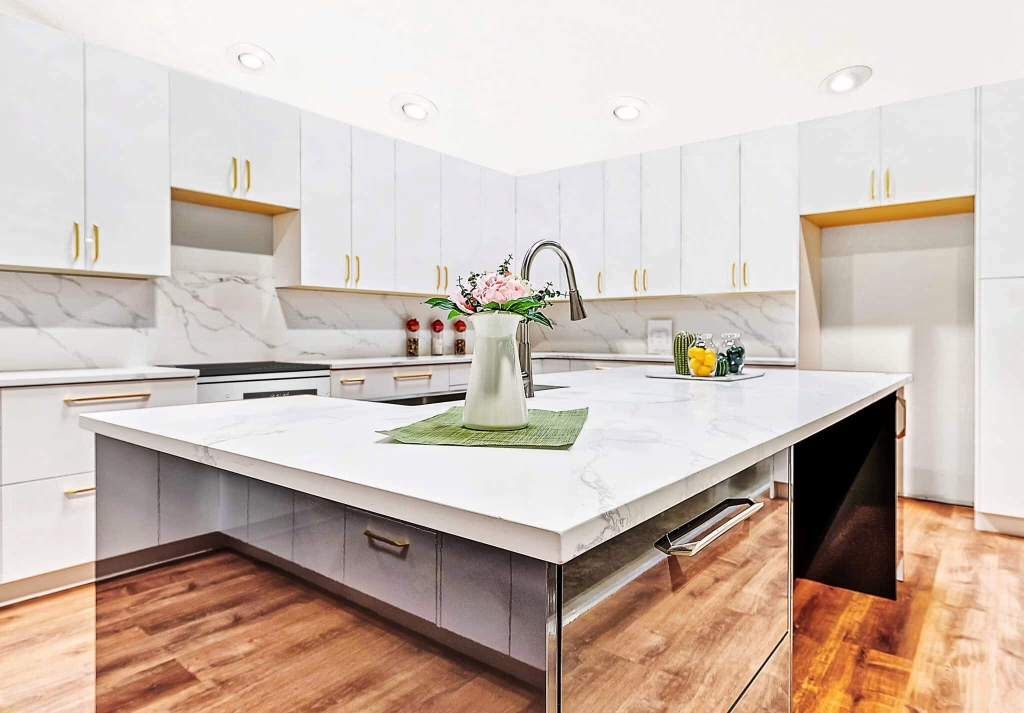
How Iconic Cabinetry Simplifies the Remodel Process
When you’re investing in a kitchen remodel, the last thing you want is to manage a dozen moving parts — designers, contractors, installers, suppliers — and hope they all stay aligned. That’s exactly where things go wrong in traditional remodels.
Iconic Cabinetry takes a different approach.
We’ve built a one-stop, design-build process that’s structured to remove the stress, delays, and confusion that so often plague home renovations. Every step, from concept to completion, is handled by our in-house team — with no handoffs, no third-party surprises, and no chasing people for updates.
Here’s how we make the remodel process easier for you:
Design Consultations
We start with a collaborative design session, helping you create a kitchen that fits your lifestyle, budget, and style. Everything from layout to finishes is planned with expert guidance.
Materials Sourcing
No waiting on out-of-stock tiles or overpriced third-party cabinets. Our team sources materials directly, reducing lead times and keeping your selections within budget — even with ongoing pricing fluctuations in 2025 and 2026.
Scheduling and Installation
Because we coordinate every trade, from demolition to final walkthrough, you’re never left wondering what’s next. Our crews show up on time, work in sync, and finish the job without unnecessary gaps between phases.
It’s all part of our commitment to a stress-free kitchen remodel process. Whether you’re remodeling in Renton or another part of the Seattle metro, we make it easier to upgrade your home, without the chaos.
Explore our service areas from Renton to Shoreline to see how we support homeowners near you.
FAQs: Kitchen Remodel Contractor Edition
Have questions before you hire a contractor? You’re not alone. These are some of the most common concerns homeowners have before starting a kitchen remodel, especially if it’s your first time.
How do I know if a contractor is legit?
Start with the basics: a valid contractor’s license, proof of insurance, and a physical business address. From there, look at online reviews, ask for recent client references, and review a portfolio of kitchen remodels similar to yours. A trustworthy contractor won’t hesitate to provide any of this.
Should I get multiple bids?
Yes, but make sure you’re comparing more than just the price. One quote may include high-quality, custom materials and full design support, while another may be a bare-bones construction bid. Look at the scope of work, materials, warranties, and timeline commitments. A detailed, transparent proposal is a good sign.
What if I’ve never done a remodel before?
That’s completely normal and exactly why your contractor should walk you through each step. At Iconic Cabinetry, we specialize in helping first-time remodelers by offering end-to-end support, from design to permits to final walkthrough. No question is too small.
Can I stay in my home during the remodel?
In most cases, yes, but expect disruption. You may be without a functioning kitchen for several weeks, depending on the scope. If your remodel includes major structural changes or involves shutting off plumbing or electrical, some clients choose to stay elsewhere temporarily. We’ll help you plan for what’s best based on your project.

Start Smart and Book Your Design Consultation
The best kitchen remodels don’t start with a demo day. They start with a conversation.
At Iconic Cabinetry, we offer no-pressure consultations to help you explore what’s possible for your space. Whether you’re ready to start or just gathering ideas, our team will walk you through the process, answer your questions, and help you plan with confidence.
Want to see materials and layouts in person? Visit our local showroom to explore finishes, cabinet styles, and real-life kitchen setups that reflect Seattle-area homes like yours.
Take the stress out of remodeling, start smart by booking your consultation today. Contact us here to get started.